What an underground storm shelter is
An underground shelter, sometimes called a storm cellar, is a sealed box of steel, fiberglass or precast concrete buried in your yard. You reach it through a hatch at ground level and walk down a short set of stairs. Because it sits below grade with dirt all around it, it’s one of the most protected places you can be during a tornado.
Old Oklahoma storm cellars were dug by hand and lined with block, and many of them leak. Modern underground shelters are built off-site as a single sealed unit, then set into a dug hole and anchored. That’s faster, cleaner and drier than the cellars a lot of Broken Arrow families grew up with.
Steel vs. precast concrete
- Steel shelters are lighter, so they’re easier to get into a backyard and need smaller equipment. They need a good coating to fight rust.
- Precast concrete shelters are very heavy, which helps hold them down in wet soil, and concrete doesn’t rust. They usually need bigger equipment and good access to the yard.
Either can be a solid choice when it’s built and tested to FEMA P-361 and ICC 500. Ask each installer how their shelter was tested and by whom.
Where to put it
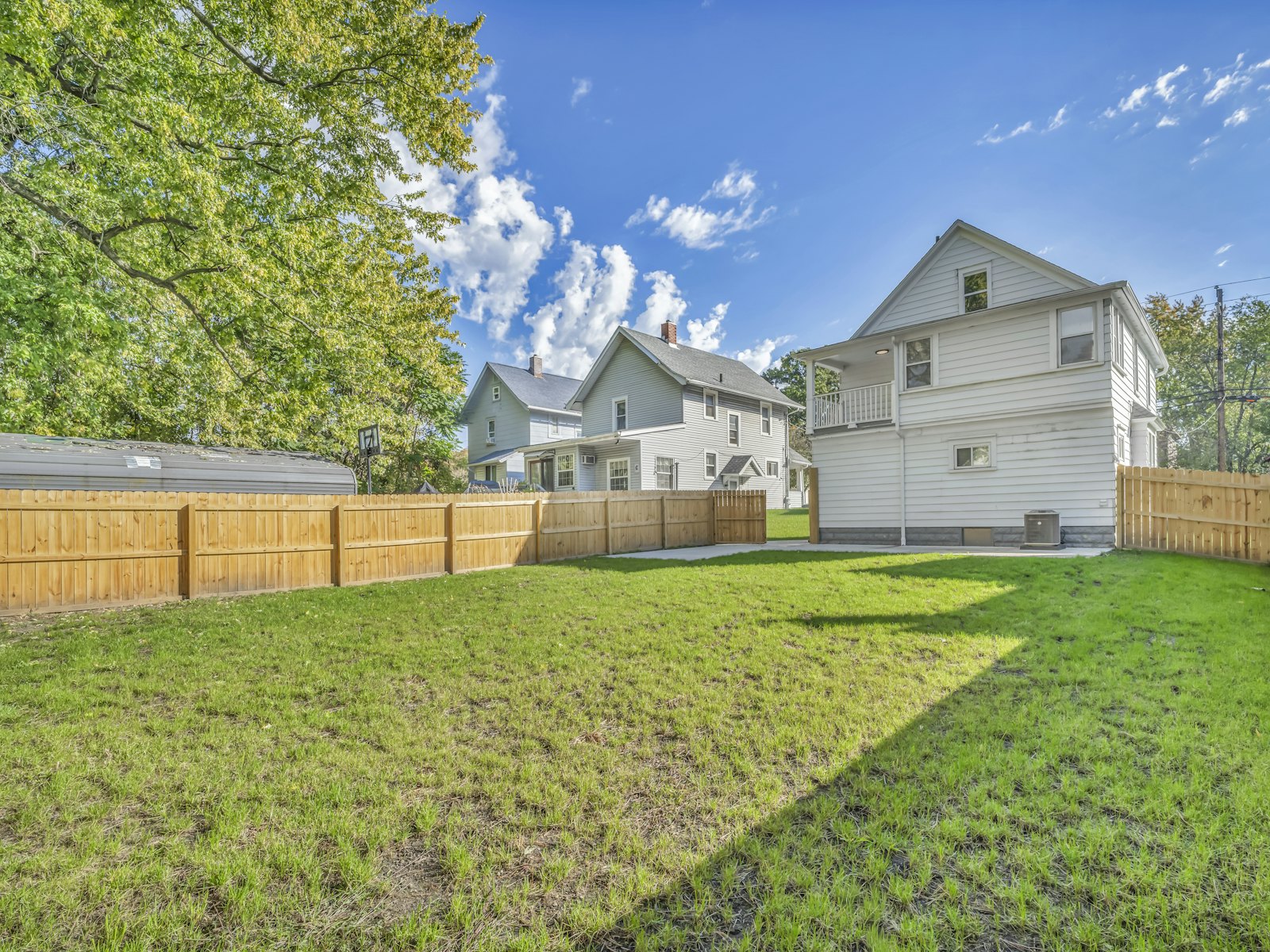
The best spot is as close to the door you’ll run out of as you can get, usually off the back patio. You want a short, clear path you can walk in the dark during hail and wind. The installer will also check:
- Access for equipment. A gate wide enough for a small excavator, or room for a truck to set the shelter over the fence.
- Utilities. Buried gas, electric, water, cable and sprinkler lines must be marked before anyone digs. Oklahoma’s one-call system marks public lines for free.
- Drainage. Clay soil and low spots hold water. A shelter on higher ground with the dirt graded away from the hatch stays drier.
- Your HOA. Some Broken Arrow neighborhoods have rules about what can be seen from the street. A hatch near the back of the house usually isn’t an issue, but check.
How installation works
The crew marks utilities, digs the hole, sets the shelter, anchors it and backfills. The hatch and steps are fitted, the dirt is graded away so water runs off, and the yard is cleaned up. Most outdoor shelters go in within a day or two, depending on soil and weather. Expect some lawn repair around the hatch afterward.
Keeping an underground shelter dry
Water is the most common complaint with outdoor shelters in eastern Oklahoma. A sealed, one-piece shelter, a good hatch seal and proper grading help a lot. Vents keep air moving and cut down on condensation. If you have an older shelter that collects water, our storm shelter repair page covers leaks, hatches and door seals.
Is an underground shelter the right choice?
Underground shelters make sense when you want room for a large family, you don’t have a garage that works for a floor shelter, or you want the shelter separate from the house. They’re a harder climb than an above-ground safe room, and you have to go outside to reach them. Compare the options in our in-ground vs. above-ground guide.
Cost
National cost guides put underground shelters at about $4,000 to $20,000 or more installed. Size, material, digging conditions and yard access make the biggest difference. See our storm shelter cost guide, and if you plan to apply for the state rebate, read the SoonerSafe guide first.
Talk to a local installer
Call (918) 317-0623 and we’ll connect you with a local installer who can look at your yard, access and utilities and quote the job.
Common questions
Do underground storm shelters leak?
A modern one-piece shelter with a sealed hatch and good grading should stay dry. Older hand-built cellars and poorly placed shelters are the ones that tend to take on water.
How close to the house should an underground shelter be?
As close to the door you’ll use as possible, while leaving room for utilities and equipment. Most go just off the back patio.
Steel or concrete, which is better?
Both work when they’re built and tested to FEMA P-361 and ICC 500. Steel is lighter and easier to get into tight yards. Concrete is heavier and won’t rust.
Do I need to call before digging?
Yes. Buried utility lines must be marked before any digging. Your installer should handle this, but confirm it’s done.