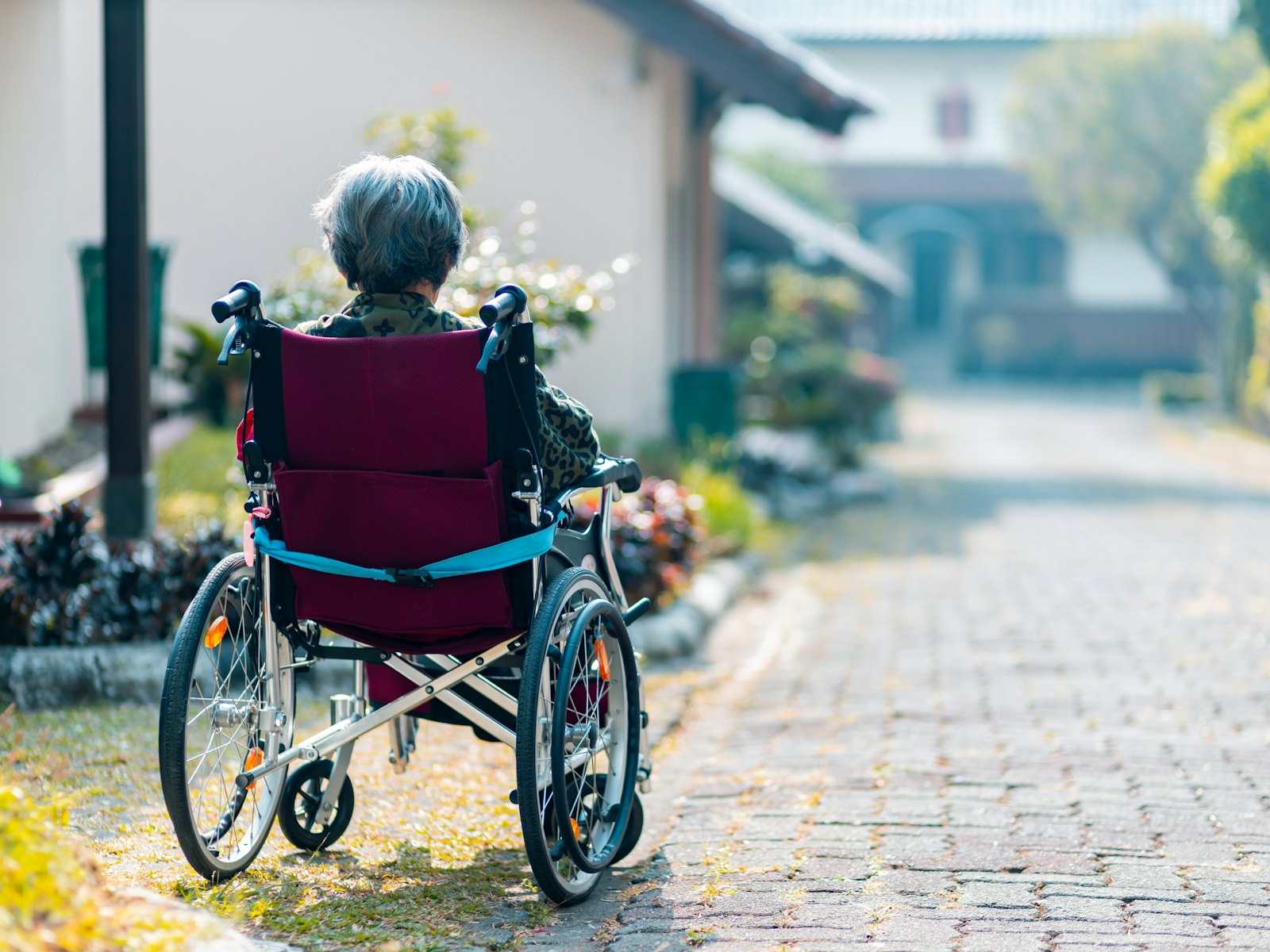
A shelter is only useful if everyone can get in
A lot of storm shelters in Oklahoma involve a ladder or a steep set of steps. That works for many people, but not for a parent in a wheelchair, a grandparent with a walker, or someone recovering from surgery. When a warning goes off, the last thing a family should have to decide is who stays upstairs.
Accessible storm shelters solve that. They’re above-ground safe rooms built so a person in a wheelchair can roll straight in, turn around and close the door, with no step and no ramp.
What makes a shelter accessible
- No step at the door. The floor is level with the slab, or the threshold is low enough to roll over.
- A wide door. Wide enough for a wheelchair, and a door that one person can open and close from the inside.
- Room to turn. Enough floor space for a wheelchair to turn, plus seats for everyone else.
- Grab bars and lighting. Handholds and a battery light inside.
- Room for equipment. Space for a walker, an oxygen tank or a medical bag.
Accessible safe rooms still need to be built and tested to FEMA P-361 and ICC 500, the same as any other shelter. Ask the installer for proof.
Where they go
Most accessible safe rooms go in the garage, on the slab, close to the door into the house. If the garage has a step down from the house, the installer will look at the path from the bedroom to the shelter and make sure it works. Some families put the safe room inside the home instead. See indoor and closet safe rooms.
Mobile and manufactured homes
Mobile homes are not safe in a tornado, even when they’re tied down. If you live in a manufactured home in or around Broken Arrow, plan where you’ll go before storm season. Options include a shelter on your own land, a neighbor’s shelter you’ve arranged in advance, or a nearby sturdy building. If you own the home and the land, you may be able to put in an underground shelter or a safe room on its own slab. The state SoonerSafe rebate covers mobile home owners only when they own both the home and the land. See the SoonerSafe guide.
Planning ahead
If someone in your home needs extra time to get to shelter, plan for it:
- Pay attention to tornado watches, not just warnings, and move early.
- Keep the path to the shelter clear: no cars, bikes or boxes in front of the door.
- Keep medications, glasses, phone chargers and a whistle in a bag in the shelter.
- Register your shelter with the City of Broken Arrow so responders know where to look. See how to register your shelter.
What to tell the installer
The more the installer knows up front, the better the shelter will fit. Before the visit, write down:
- Who will use the shelter and what equipment comes with them, such as a wheelchair, walker, scooter or oxygen
- The width of the wheelchair and how much room it needs to turn
- Whether that person can open a heavy door alone
- The path from their bedroom to the shelter, including any step into the garage
- How many other people and pets need to fit
With that list, the installer can recommend the right size and door, and flag anything along the path that needs a fix, like a step that needs a small ramp.
Cost
Accessible safe rooms are larger than standard models and have wider doors, so they usually cost more than a basic garage safe room, which national guides put at $4,500 to $14,000. Your price depends on size and any slab work. See our cost guide.
Talk to a local installer
Call (918) 317-0623 and tell us who the shelter needs to work for. We’ll connect you with a local installer who can measure and quote the job.
Common questions
Is there a wheelchair-accessible storm shelter?
Yes. Accessible above-ground safe rooms have no step, wide doors and room to turn a wheelchair. They still need to meet FEMA P-361 and ICC 500.
Can I put a storm shelter at a mobile home?
If you own the land, you may be able to add an underground shelter or a safe room on its own slab. Mobile homes themselves are not safe in a tornado.
Can a disabled family member use a garage floor shelter?
Garage floor shelters have steps down, which many people can’t manage. An above-ground accessible safe room is usually the better choice.
Does the SoonerSafe rebate cover accessible safe rooms?
The rebate rules cover safe rooms that meet FEMA and ICC 500 standards at an eligible single-family home. Check the current rules before you buy.